THE COMPLETE ROUTE
RONDA · ANDALUSIA

Desfiladero del Tajo, Ronda: Ronda from inside.

12views to discover El Tajo

The city you know. The view you are missing.

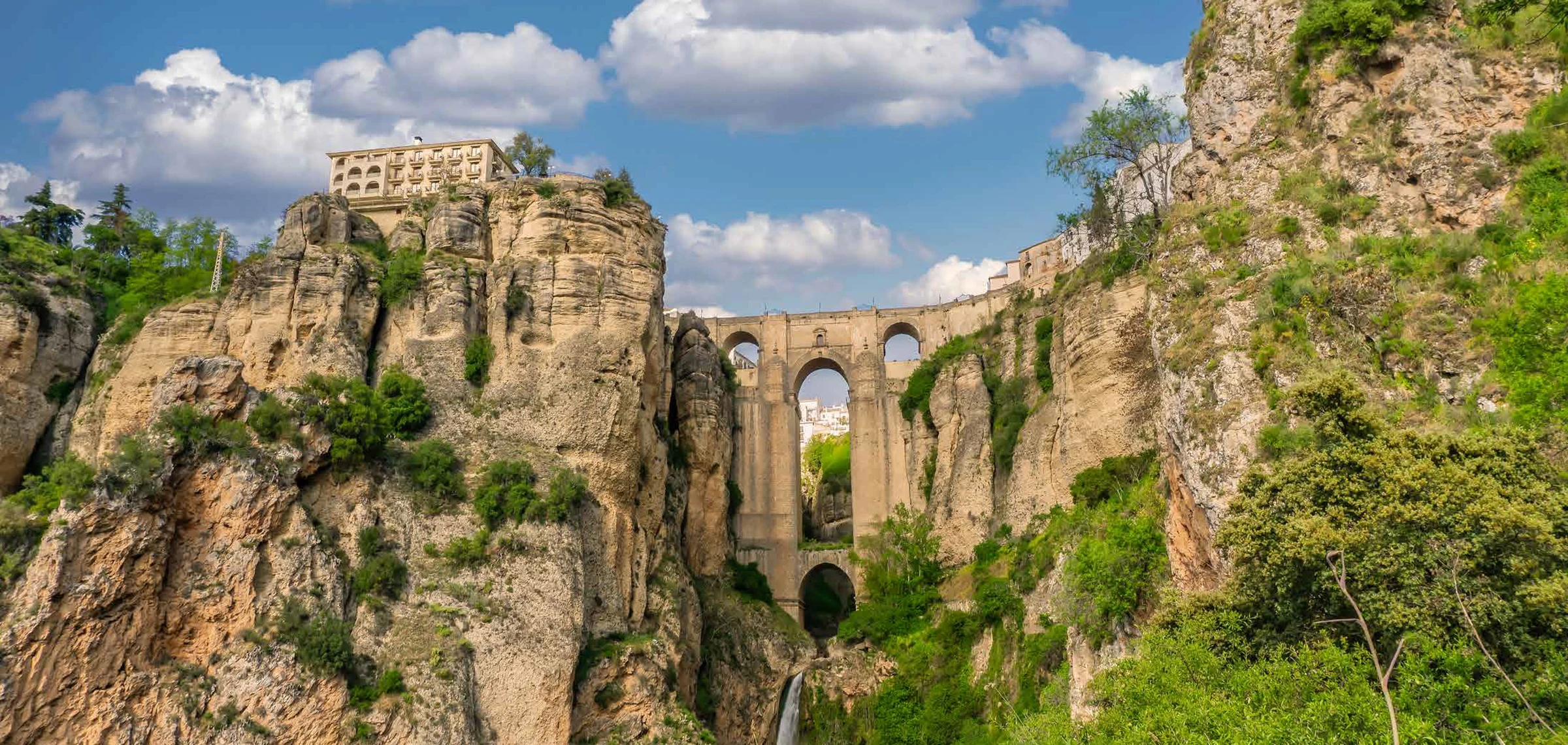
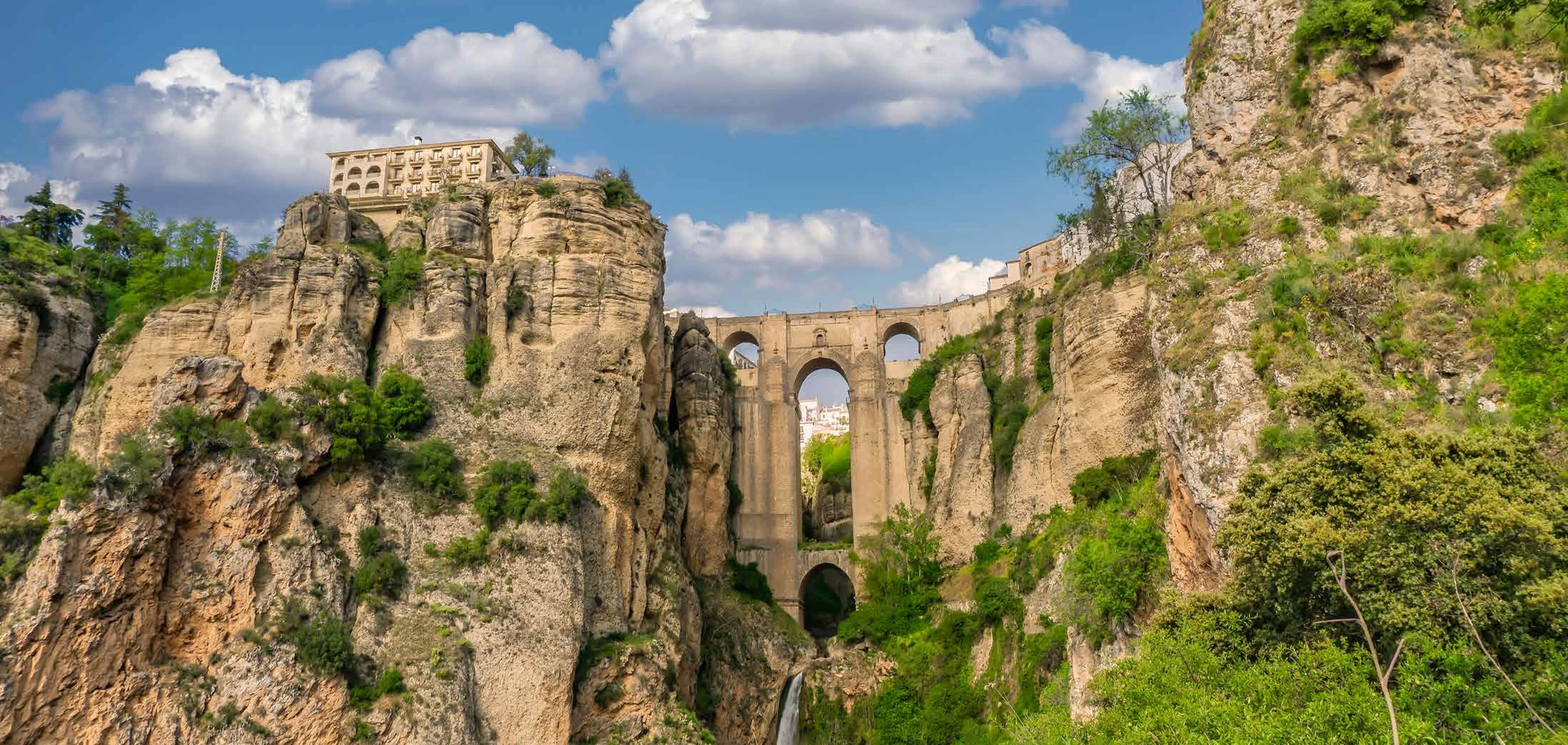
Step into El Tajo and find another Ronda: the Puente Nuevo from below, the rock beside the path and the water of the Guadalevín.

There are images you recognise before you arrive. The Puente Nuevo, the houses along the cliff edge, the gorge that cuts through Ronda. Now you can step into that landscape and find what can only be guessed at from above: the path beside the rock, the water of the Guadalevín and the sheer scale of the gorge.

There are images you recognise before you arrive. The Puente Nuevo, the houses along the cliff edge, the gorge that cuts through Ronda. Now you can step into that landscape and find what can only be guessed at from above: the path beside the rock, the water of the Guadalevín and the sheer scale of the gorge.

The complete route through El Tajo is now open. Take this story at your own pace, then plan your visit: tickets, access, recommendations and answers, always one click away.

Open the full visitor guide ↗︎

What is the Desfiladero del Tajo in Ronda

The Desfiladero del Tajo in Ronda is a walk through the inside of the gorge that splits the town of Ronda (Málaga) in two: you go down along a path and walkways beside the river Guadalevín, and you need to book a ticket before you come.

From below, the scale of the place changes. The rock walls close in, the water runs along the bottom and the Puente Nuevo rises overhead, a view the town's viewpoints do not give you. General admission costs €12 and is sold on the Turismo de Ronda platform.

The hillside path appears on eighteenth-century plans, tied to the building of the Puente Nuevo and to the mills and orchards of the town. The complete route opened in September 2026.

Before booking, check the conditions: the rules do not permit access to children under 8, nor with a wheelchair or pushchair. The guide to planning your visit covers tickets, opening hours, how to get there and what to bring.

If you want to see what the path is like before you come, open the photos of the route along the walkways.

To understand what you will see

02 / FROM THE VIEWPOINT TO THE HEART OF THE GORGE

Change of scale.

2landscapes: the gorge and the Hoya

Going down changes how you look.

Leave the viewpoints behind. Inside the gorge, the rock, the river and the light change the way you see.

From the viewpoints, El Tajo reads as a single whole. Inside it, every wall, every ledge and every shift of light takes on another dimension. The city stays above; the river and the rock fill your field of vision.

From the viewpoints, El Tajo reads as a single whole. Inside it, every wall, every ledge and every shift of light takes on another dimension. The city stays above; the river and the rock fill your field of vision.

The gorge and the Hoya del Tajo form two related landscapes: the narrow ravine that splits Ronda, and the opening out towards the valley. Understanding that difference helps you read the terrain and see why water gave this place such a singular shape.

Understand the landscape of El Tajo ↗︎

03 / A PATH BOUND TO THE HISTORY OF RONDA

Follow their tracks.

ANOTHER PERSPECTIVE / DESFILADERO DEL TAJO
XVIIIcentury of the plans showing the historic path

This path began long before your visit.

Follow a path with centuries of history, tied to the building of the Puente Nuevo, the mills and the orchards of Ronda.

The hillside of El Tajo still holds the memory of the paths that linked the city to its building works, its mills and its orchards. The track connected with the construction of the Puente Nuevo appears on eighteenth-century plans: a route for workers and for hauling materials.

The hillside of El Tajo still holds the memory of the paths that linked the city to its building works, its mills and its orchards. The track connected with the construction of the Puente Nuevo appears on eighteenth-century plans: a route for workers and for hauling materials.

Walking the gorge brings you close to that relationship between a city and its landscape. Today’s route recovers a way of looking from below, beside the riverbed and the great piers of the bridge, where nature and history meet.

Discover the history of the path ↗︎

04 / RONDA’S LANDMARK, FROM ANOTHER ANGLE

Look upwards.

PUENTE NUEVOthe architecture that joins the city

The bridge stops being a postcard.

Look up. From inside El Tajo, the piers and arches of the Puente Nuevo reveal a different scale.

The Puente Nuevo joins two halves of Ronda and defines its image. Seeing it from inside El Tajo lets you take in how its piers, its arches and the walls around them relate to one another. Engineering reads differently once the landscape reveals its true scale.

The Puente Nuevo joins two halves of Ronda and defines its image. Seeing it from inside El Tajo lets you take in how its piers, its arches and the walls around them relate to one another. Engineering reads differently once the landscape reveals its true scale.

The hillside path is bound to the building of the bridge and appears on plans from various moments in the eighteenth century. That history adds a second reading to the visit: you are not simply looking at a monument, you are standing inside the landscape that made it possible.

Explore the bridges and their setting ↗︎Check tickets ↗︎

05 / A NEW WAY TO WALK THE GORGE

Among giants.

ANOTHER PERSPECTIVE / DESFILADERO DEL TAJO
STEP BY STEPa route between nature and engineering

The rock sets the course. You set the pace.

Walk on between rock and river. Every stretch of the walkways opens a new view of the gorge.

The walkways follow the turns of the gorge and bring you close to a landscape of vertical walls, water and ledges. As you go, the viewpoints shift: one stretch opens the view, the next draws it in, and the one after reveals a new relationship between rock and river.

The walkways follow the turns of the gorge and bring you close to a landscape of vertical walls, water and ledges. As you go, the viewpoints shift: one stretch opens the view, the next draws it in, and the one after reveals a new relationship between rock and river.

The works were conceived to fit the route into its surroundings and keep the landscape in the foreground. During your visit, follow the staff’s instructions and keep the way clear. There is time to look, to notice the details and to enjoy a perspective the city above cannot offer.

Explore the full experience ↗︎

06 / BEFORE THE CITY, THE LANDSCAPE

Here was sea.

MIOCENEthe marine past of the Ronda landscape

A story written in stone.

Before Ronda, this was the sea. The rocks of El Tajo still hold the memory of that ancient landscape.

The materials of El Tajo formed in a marine basin during the late Miocene. Sediments settled there and became conglomerates and calcarenites: rocks in which the history of that ancient landscape can still be read.

The materials of El Tajo formed in a marine basin during the late Miocene. Sediments settled there and became conglomerates and calcarenites: rocks in which the history of that ancient landscape can still be read.

After the sea withdrew and the region was uplifted, watercourses began to erode the ground. The hardness of the rock and its fractures shaped the gorge. El Tajo did not appear all at once: it is the outcome of a long relationship between materials, relief and water.

Read how El Tajo was formed ↗︎

07 / THE RIVER THAT SHAPES RONDA

Water cut the way.

GUADALEVÍNlandscape, water and the history of the city

The lead character is down here too.

The Guadalevín shaped this gorge. Follow the water and discover its part in the landscape and history of Ronda.

The Guadalevín runs through the gorge and connects the landscape of El Tajo with the valley. Its erosive work, over time, helped shape the walls and drops you see today. Following its course helps you understand the form of the gorge.

The Guadalevín runs through the gorge and connects the landscape of El Tajo with the valley. Its erosive work, over time, helped shape the walls and drops you see today. Following its course helps you understand the form of the gorge.

Water also explains part of Ronda’s human history. Mills, irrigation channels and orchards drew on the river; later, electricity generation added another chapter. During the visit the river is admired from the route: its pools are not for bathing.

Discover the river and the old mills ↗︎

08 / EL TAJO WAS A WORKING LANDSCAPE TOO

The force of a river.

WATER AND CITYthe working memory of the gorge

Water to live by. Power to transform.

El Tajo was a working place too. Its water turned mills, watered orchards and later generated electricity.

Long before any tourist visit, the gorge was part of everyday life in Ronda. The weir, the irrigation channels, the flour mills and the orchards formed a single system. Water turned machinery, watered the land and sustained activities the city depended on.

Long before any tourist visit, the gorge was part of everyday life in Ronda. The weir, the irrigation channels, the flour mills and the orchards formed a single system. Water turned machinery, watered the land and sustained activities the city depended on.

The story of the place also takes in hydroelectric installations and changing uses of the river. Seeing El Tajo with that context transforms the experience: behind the monumental landscape lies a memory of trades, supply and engineering worth knowing.

Go deeper into this history ↗︎

09 / A PLACE TO LOOK AT CLOSELY

Breathe. You are inside.

OBSERVErespect the setting and keep the way clear

The landscape is alive. In its details too.

Slow down. The plants, the textures and the sound of the water are part of discovering El Tajo.

Between the walls there are fissures, plants and spaces that belong to the natural setting of El Tajo. The restoration project considers the relationship between the visit, the flora and the fauna. The experience gains when you slow down and pay attention to what is happening around you.

Between the walls there are fissures, plants and spaces that belong to the natural setting of El Tajo. The restoration project considers the relationship between the visit, the flora and the fauna. The experience gains when you slow down and pay attention to what is happening around you.

Keep to the marked route, respect the vegetation and carry your litter until you can dispose of it properly. Avoid shouting and loud music. The light, the textures and the sound of the water already have plenty to say: taking them in calmly is part of discovering the gorge.

How to enjoy and protect El Tajo ↗︎

10 / WHAT TO KNOW BEFORE YOU COME

Arrive fully prepared.

YOUR GUIDEaccess, booking, packing and frequently asked questions

A good visit starts before the first step.

Plan your descent: tickets, access and recommendations. The guide brings together everything you need.

Choose your date and check the access conditions for everyone coming with you. The guide brings together information on tickets, arrival, clothing, luggage, photography and the rules of the route. You will also find answers for planning a family visit or checking mobility requirements.

Choose your date and check the access conditions for everyone coming with you. The guide brings together information on tickets, arrival, clothing, luggage, photography and the rules of the route. You will also find answers for planning a family visit or checking mobility requirements.

Bring footwear and clothing suitable for walking, water and whatever protection the weather calls for. Check your booking instructions before you set out. If you have a specific question, contact the team: deciding with good information is the first step to enjoying El Tajo.

Open the full visitor guide ↗︎Check tickets and availability ↗︎

11 / THE EXPERIENCE CONTINUES ABOVE

Stay with Ronda.

RONDAheritage, landscape and time to enjoy them

One gorge. A whole city still to discover.

After El Tajo, keep discovering Ronda. Its streets, viewpoints and monuments look different now.

After El Tajo, Ronda looks different. Its streets, viewpoints and monuments take on new context once you know the landscape that holds them up. You can round off the day with the old town, the Arab Baths or the Palacio de Mondragón, all suggested on the tourism website.

After El Tajo, Ronda looks different. Its streets, viewpoints and monuments take on new context once you know the landscape that holds them up. You can round off the day with the old town, the Arab Baths or the Palacio de Mondragón, all suggested on the tourism website.

Plan your visits around your booking and leave room to wander or sit down to eat. Check opening times and tickets for each monument separately. The gorge can be the start of a day in Ronda, with time for both its great views and its small details.

Plan the rest of your day ↗︎

12 / THE ROUTE IS COMPLETE. YOUR JOURNEY STARTS NOW.

Come. Feel it.

YOUR NEXT VISITRonda, from the inside

You know the story. Now step into it.

Now it is your turn to live it. Check availability, plan your visit and find your own view of El Tajo.

You have seen the bridge, followed the water and discovered the past held in the rock. The next step is to live it: to walk the Desfiladero del Tajo in Ronda, look up and find your own view of this landscape.

You have seen the bridge, followed the water and discovered the past held in the rock. The next step is to live it: to walk the Desfiladero del Tajo in Ronda, look up and find your own view of this landscape.

Check tickets and availability with Turismo de Ronda. Before booking, open the guide to confirm access and the conditions of the route. Everything is at hand to move from imagining the visit to planning it.

Answer my questions before booking ↗︎Check tickets and availability ↗︎
01/ 12
Ronda, from the inside

CHOOSE WHERE YOUR JOURNEY BEGINS

Twelve views.
One single Tajo.

Ready to come? Open the full visitor guide ↗︎